
First Time Climbing Sonoran Granite: A Beginner's Guide to Half-Day Cragging in Phoenix & Scottsdale
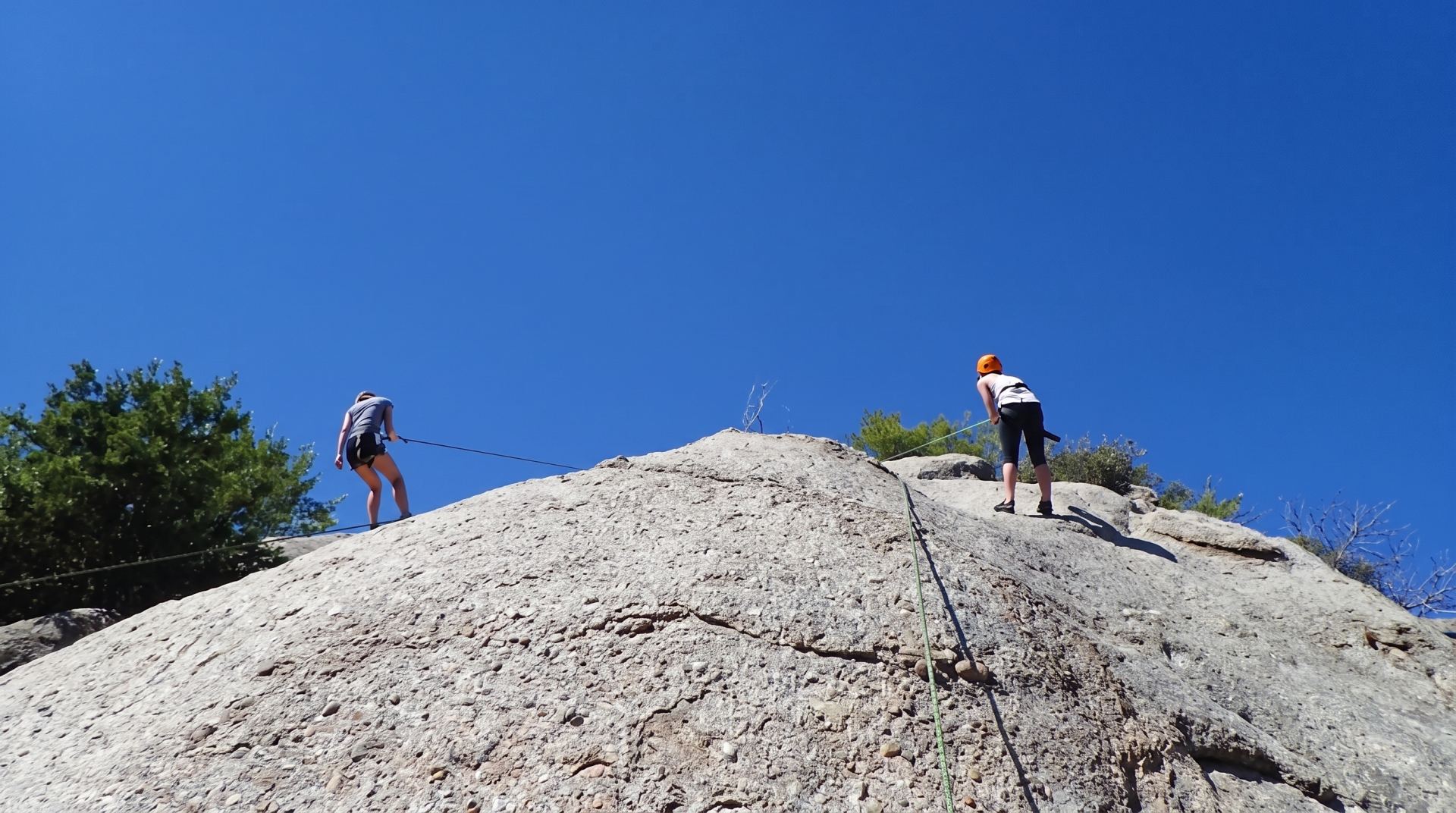
Transitioning from Indoor Gyms to Sonoran Desert Crags
Transitioning from indoor climbing gyms to the rugged, sun-baked crags of the Sonoran Desert is one of the most rewarding adventures in the American Southwest. The Phoenix and Scottsdale metropolitan areas are surrounded by world-class climbing venues, offering everything from textured granite slabs to steep volcanic pocket-pulling. For traveling climbers and outdoor enthusiasts looking for quality vertical mileage without a dawn-to-dusk physical commitment, a half-day private outing strikes the ideal balance.
Why a Half-Day Desert Climb is the Sweet Spot
Unlike high-alpine routes or multi-pitch backcountry expeditions, a half-day cragging session allows you to maximize technical movement while conserving energy in an arid environment. Within a dedicated 3- to 4-hour window, you can tackle multiple single-pitch routes, dial in footwork on natural rock friction, and absorb personalized movement coaching from certified AMGA or PCGI climbing guides.
Our Desert Rock Escape: Half-Day Climbing Near Phoenix & Scottsdale is structured entirely around your group's experience level, whether you are completely new to tying into a harness or an intermediate climber looking to refine outdoor movement and foot placement.
Premier Half-Day Crags Around Phoenix and Scottsdale
One of the greatest advantages of climbing around the Valley of the Sun is geographic variety. Based on seasonal weather patterns, sun angles, and your group's goals, several prime destinations stand out:
- Tom's Thumb & McDowell Sonoran Preserve (Scottsdale): Renowned for coarse granite domes, friction slabs, and classic dike features, offering sweeping views across the northern Sonoran Desert.
- Camelback Mountain (Phoenix): Centrally located in Phoenix, providing accessible routes with steep approaches, coarse sandstone-conglomerate textures, and iconic city backdrops.
- Queen Creek Canyon (Near Superior): A premier cool-season climbing hub featuring steep volcanic dacite, abundant pocketed faces, and sheltered canyon walls.
Understanding Desert Microclimates & Seasonal Timing
Desert rock climbing requires strategic timing. During the cooler months from November through April, mid-morning and early afternoon departures offer crisp conditions and warm rock in the sun. In the warmer summer months from May through October, climbing shifts to early morning departures between 5:00 AM and 6:00 AM, focusing on north- and west-facing walls that remain cast in deep morning shade.
Backcountry Pro-Tip for Desert Friction: Direct sunlight heats desert rock quickly, softening climbing shoe rubber and diminishing grip. Tracking the morning shade line and arriving early ensures optimal surface friction and comfortable climbing temperatures throughout your session.
What to Expect & What to Bring
When you book a guided trip with 360 Adventures, all technical climbing hardware-including UIAA/CE-certified helmets, harnesses, rock climbing shoes, and ropes-is provided. To prepare for your day on the rock, keep these essential gear guidelines in mind:
- Approach Footwear: Sturdy closed-toe hiking shoes, trail runners, or approach shoes with aggressive tread for navigating rocky desert trails.
- Apparel: Breathable, flexible athletic clothing that fits comfortably beneath a climbing harness, plus light layers for cool desert mornings.
- Hydration & Sun Protection: A minimum of 32 oz of water in a reusable bottle (filtered refills provided), broad-brim sun hat, sunglasses, and sunscreen.
Ready to Climb?
Test your skills on authentic desert rock with experienced, certified local guides. Explore our full tour details and live availability on the Desert Rock Escape: Half-Day Climbing Tour page, or visit our Half-Day Rock Climbing FAQ to learn more about preparing for your adventure.