
Gym to Crag: Transitioning to Outdoor Rock Climbing in Arizona
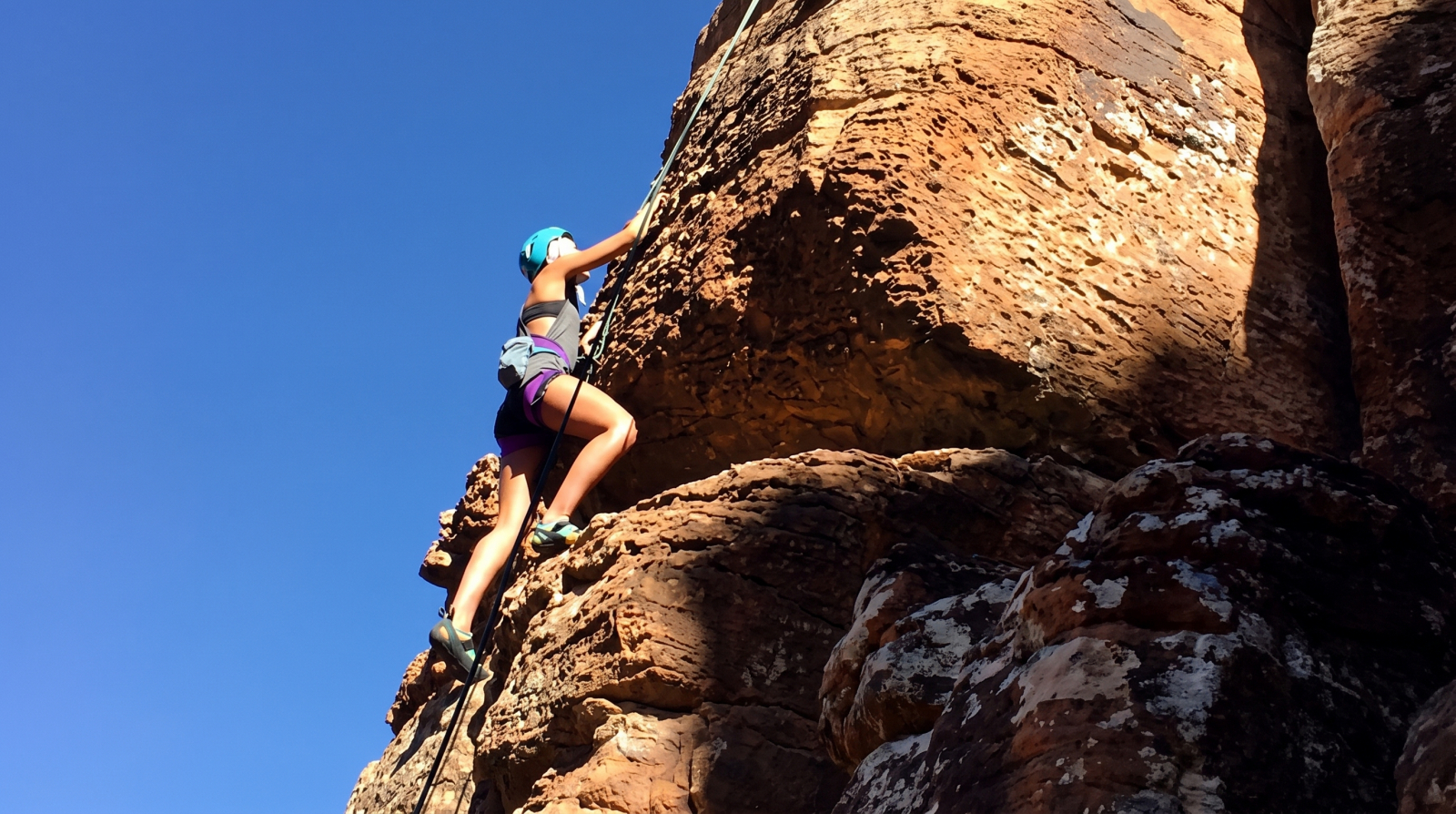
For climbers who discovered the sport on indoor climbing walls, making the leap to natural rock is one of the most rewarding milestones in your progression. But outdoor climbing isn't simply an indoor gym with a better view. Real rock demands a completely different mindset, specialized risk management, and a new technical skill set.
Here is what you need to know before transitioning from plastic holds to the granite and basalt crags of Arizona.
1. The Realities of Natural Rock vs. Color-Coded Gyms
In a climbing gym, routes are clearly color-coded, taped, and engineered with predictable grip patterns. Outside, nature provides no neon tape or obvious arrows.
- Route Reading: On natural stone, finding footholds and handholds requires active visual scanning and physical touch. Friction, small crystals, and micro-edges replace manufactured plastic jugs.
- Variable Friction: Desert rock changes with temperature and sun exposure. Understanding how rubber adheres to warm granite compared to shaded basalt is key to confident movement.
- Body Positioning: Outdoor climbing heavily rewards balanced footwork and core tension rather than raw upper-body pulling power.
2. Fundamental Outdoor Safety Systems
Indoor gyms operate with pre-hung top ropes, daily anchor inspections, and padded floor mats. In the outdoor environment, you and your climbing partner are entirely responsible for the integrity of your safety chain.
- Standardized Communication: Outdoor crags can be noisy from wind and distance. Clear, verbal commands (and backup non-verbal checks) are mandatory before leaving the ground.
- Helmet Safety: While rarely worn indoors, an approved climbing helmet is mandatory outside to protect against natural rockfall and unexpected slips.
- Redundant Anchor Management: Understanding how top-rope anchors work-and verifying their redundancy-ensures peace of mind on every pitch.
3. Mastering Desert Crag Logistics
Outdoor climbing involves more than just tying into a rope. Managing environmental hazards and personal stamina ensures a safe, successful day in the field.
- Desert Hydration & Fuel: Desert air accelerates dehydration. Climbing athletes need at least 2 to 3 liters of water per day, balanced electrolytes, and sustained-energy nutrition.
- Environmental Stewardship: Arizona's desert crags are delicate ecosystems. Following Leave No Trace principles-packing out all trash, staying on designated approach trails, and respecting raptor nesting closures-preserves access for everyone.
Take the Next Step: Structured Field Instruction
While books and videos help build theoretical knowledge, nothing replaces direct, hands-on mentorship from certified guides in a controlled outdoor environment.
Our Intro to Outdoor Rock Climbing in Arizona is a comprehensive, 2-day beginner course designed specifically to bridge the gap between gym climbing and natural rock. Led by AMGA and PCGI-certified instructors, you'll master top-rope belaying, equipment inspections, rope craft, and movement techniques on premier crags near Phoenix and Scottsdale.
Ready to build real outdoor competency? Explore the course details, check out the complete technical syllabus, and review the rock climbing course FAQ to prepare for your next vertical adventure.