
Flying vs. Driving: Grand Canyon from Scottsdale
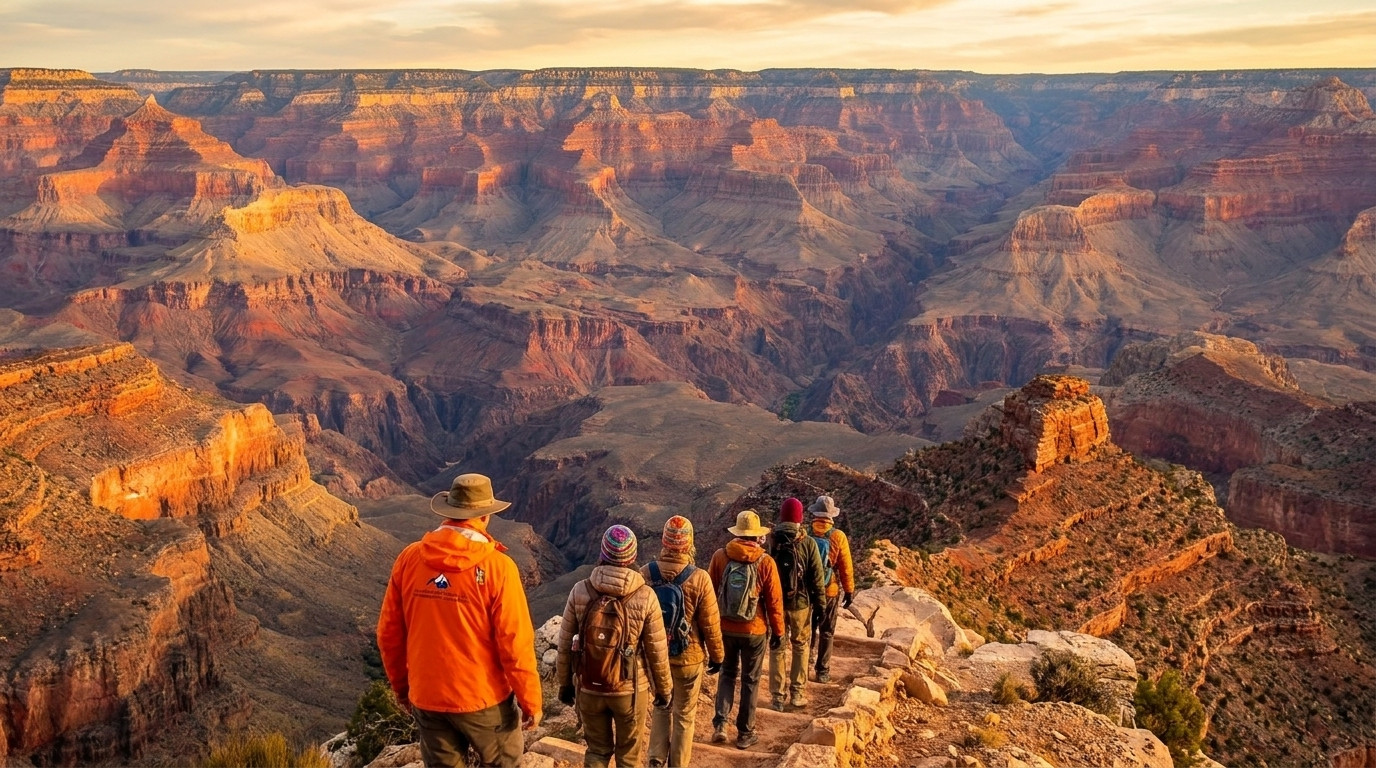
A visit to the Grand Canyon is the pinnacle of an Arizona itinerary, but standard day trips from Phoenix and Scottsdale come with a harsh reality: between 8 and 10 hours of grueling highway driving along Interstate 17 and Highway 64. That leaves visitors exhausted, battling park entrance traffic, and stuck with barely two hours to peer over crowded viewpoint railings.
For travelers seeking an authentic adventure beneath the rim, private aviation completely reinvents the day. Trading the windshield for an aerial corridor turns transit into an unforgettable scenic flight and preserves your energy for world-class trail exploration.
The Transit Dilemma: What Driving Really Costs
Driving to the South Rim from Scottsdale covers roughly 230 miles each way. Factor in fuel stops, construction bottlenecks, and national park gate lines, and your day is dominated by transit. Visitors often arrive at the rim during peak midday heat when descending inner canyon trails becomes strenuous and logistically limited.
The Aerial Alternative: Direct from Scottsdale
By taking a low-level flight directly from Scottsdale, you soar over the Sonoran Desert, the red rock escarpments of the Verde Valley, and the ponderosa pine forests of the Mogollon Rim. You arrive at the South Rim airport refreshed, energized, and ready for the trail.
On the Grand Canyon South Rim Helicopter Flight & Hiking Tour from Scottsdale, you bypass commercial delays entirely. Your pilot and aircraft remain on stand-by at the airfield while you spend up to 4 full hours inside the national park with a dedicated hiking guide.
Descending Below the Rim: A Different Perspective
Standing on a paved rim overlook offers a majestic view, but descending beneath the rim reveals the canyon’s true scale. As you hike down switchbacks carved directly into sheer cliff faces, you step through two billion years of Earth’s geologic history, passing distinct rock strata from the Kaibab Limestone down to the Hermit Shale.
Key elements that set an interpretive below-the-rim excursion apart include:
- Planeside Backcountry Guidance: You are met planeside by a medically certified, professional interpretive guide who manages all park logistics and trail safety.
- Customized Pace & Route: Whether tackling a continuous 1 to 3-hour backcountry descent or pairing a moderate trail hike with panoramic rim viewpoints, your itinerary adapts to your group’s fitness level.
- Trailside Gourmet Dining: Skip crowded cafeteria lines. Enjoy a curated picnic lunch served along the trail with chilled spring water and trail snacks.
Essential Preparation for South Rim Trails
At 7,000 feet elevation, conditions at the South Rim differ sharply from the Phoenix valley. Sturdy hiking boots or trail running shoes with aggressive lugged tread are mandatory for navigating loose rock steps. Dressing in adaptable layers - a technical moisture-wicking base, a warm mid-layer, and a wind shell - ensures full comfort across changing elevations.
If you want to experience the majesty of the Grand Canyon without losing an entire day to highway asphalt, combining private helicopter flight with a guided below-the-rim hike delivers the ultimate bucket-list day trip.